


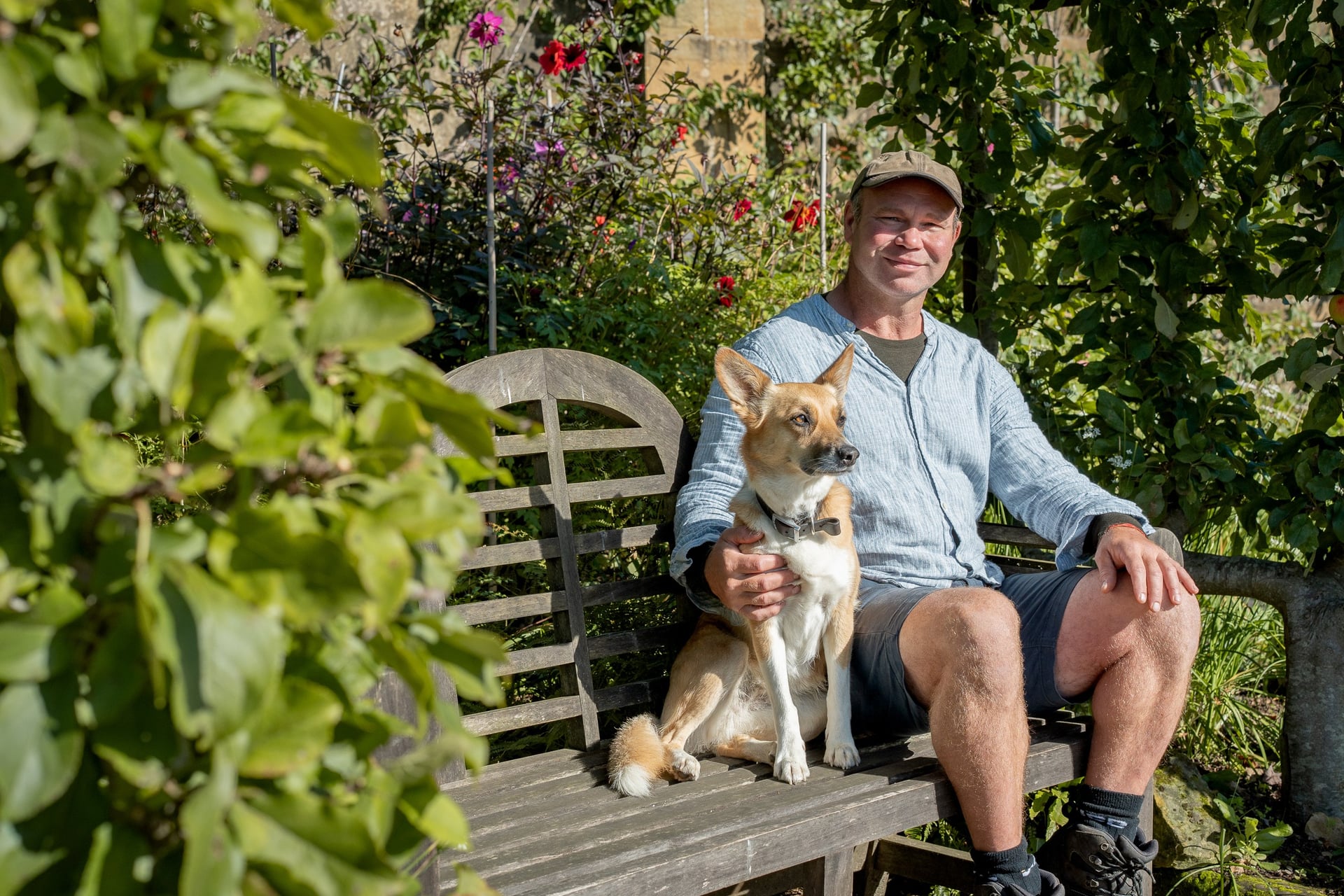
In Conversation with Tom Coward: Cultivating Heritage and Innovation at Gravetye Manor
Few gardens in Britain carry the horticultural legacy of Gravetye Manor. Once the home of pioneering gardener William Robinson, the gardens continue to evolve while remaining rooted in the philosophy he championed more than a century ago.
Today, that legacy is stewarded by Head Gardener Tom Coward, who leads a dedicated team responsible for maintaining and developing one of the country’s most historically significant gardens. We spoke to Tom about training the next generation of gardeners, keeping traditional skills alive, and how the garden continues to support the renowned restaurant at Gravetye.
Training the Next Generation of Gardeners
For Tom, developing new horticultural talent is an essential part of the garden’s future.
“In the past we took part in the Historic and Botanic Garden Training Programme (HBGTP),” he explains. “The idea was to give people real-life experience in a professional garden. There can be quite a gap between becoming qualified and actually working in a garden like this.”
However, the team eventually decided to move away from the formal structure of the programme.
“We wanted more independence in how we train people,” Tom says. “Now we do something a bit more unconventional. We simply employ developing gardeners who want to learn and invest time here.”
The approach is deliberately inclusive.
“It’s not just focused on the young,” he adds. “Our most recent apprentice is of more mature years, while our youngest team member is 17. It’s really about helping people develop in their career.”
The garden team currently numbers seven gardeners, and Tom is quick to emphasise that learning goes both ways.
“The younger ones often end up teaching me things. In gardening you’re always learning.”
Encouraging Specialisms
Tom also encourages members of the team to develop their own horticultural specialisms.
“I always suggest that they choose a group of plants to really study – something they can specialise in,” he says. “Through propagating them, growing them and using them in the garden, they learn skills that transfer to many other areas.”
The benefits can be significant.
“If everyone develops their own niche, they start to know things that I don’t even know.”
Some members of the team joined during the period following the COVID lockdowns.
“We employed a couple of young lads after lockdown – they were about 21 when they started, one through the Back to Work scheme. They’ve now been with us five years and they’ve gained incredible experience in that time.”
Learning Through Exchange
Alongside staff development, Gravetye regularly hosts visiting gardeners and volunteers from across the industry.
“We often work with people doing CPD,” Tom explains. “For example, we had a gardener from The Newt in Somerset come and spend a week with us.”
These exchanges allow knowledge to flow both ways.
“She could take ideas back to The Newt and apply them in her garden, but we also learn from what they’re doing there. Throughout the summer there’s almost always a guest gardener here.”
Keeping Historic Skills Alive
During William Robinson’s time at Gravetye, the garden employed around 20 gardeners. Today Tom manages with seven, making the preservation of traditional horticultural skills even more important.
“There are certain skillsets from Robinson’s time that we need to keep alive,” he says.
One key area is the vegetable garden, alongside the continuation of Robinson’s pioneering ideas around wild gardening.
“Woodland gardening methods, establishing trees and shrubs, and meadow gardening with bulbs are all things Robinson introduced and that we continue to develop.”
But Tom’s approach isn’t simply about preservation.
“We take it a step further. We look at which skills have endured, which ones have been lost, and how we might reintroduce them. At the same time we also have access to modern plant breeding that Robinson wouldn’t have had.”
Restoring Wildflower Meadows
One of the most important aspects of the work at Gravetye is the restoration of species-rich wildflower meadows.
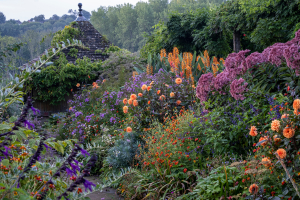
“Since the Second World War we’ve lost about 98% of our species-rich meadow habitat,” Tom explains.
The reasons lie in the dramatic changes to British agriculture after the war.
“Britain was close to starvation during the war, so farming had to intensify. Traditional haymaking was slow, but modern silage cutting happens before wildflowers can seed. It was necessary to feed the country, but it had a huge impact on biodiversity.”
At Gravetye, the meadows now play an important role in ecological restoration.
“We manage them for biodiversity and habitat, but we also harvest seed from the meadows and spread it elsewhere.”
Seeds from the garden have even travelled beyond the estate.
“We’ve shared seed with Sussex Prairies Garden, and this year we also spread some across our landlord’s fields.”
The Historic Kitchen Garden
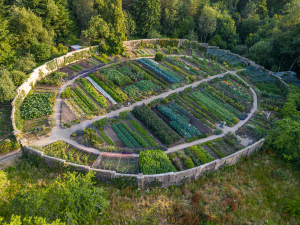
Another extraordinary feature of the estate is its kitchen garden, completed in 1901.
“The kitchen garden tradition goes back to the mid-18th century,” Tom explains. “The 1840s were really the pinnacle of that type of garden – very complex places with glasshouses and specialised structures.”
By the early 20th century, however, the style had changed.
“Very few kitchen gardens were built after 1914, and Robinson’s is comparatively simple. But it’s beautifully designed.”
The positioning of the garden was carefully considered.
“Robinson lived here for around twenty years before building it. He studied the landscape to find the perfect spot and designed the walls and shape to improve the microclimate.”
Food production also held deep personal meaning for Robinson.
“He would have been about seven when the Great Hunger began in Ireland. Seeing that level of hardship would have made the importance of food very real to him.”
Gardening for a Michelin Restaurant
Today the kitchen garden supplies produce for the Michelin-starred restaurant at Gravetye Manor, meaning the garden must constantly adapt.
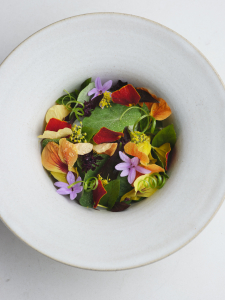
“We manage the garden for a modern restaurant, so the crops are always changing depending on what the chefs need,” Tom says.
Yet many of the techniques used today remain faithful to Robinson’s era.
“One of the key examples is restricted fruit forms – training fruit trees into shapes along walls or supports.”
These methods were popularised by Robinson himself.
“His first book introduced and popularised this way of growing fruit. It’s wonderful to keep that tradition going. It’s also incredibly popular now because the trees look beautiful and it’s a great way of growing a large fruit collection in a relatively small space.”
A Living Garden Legacy
More than a century after William Robinson transformed gardening with his revolutionary ideas, the gardens at Gravetye Manor continue to evolve.
For Tom Coward and his team, the challenge is not simply maintaining a historic landscape – it is keeping it alive, relevant and productive, while ensuring the knowledge behind it continues to be passed on.
“In many ways,” Tom reflects, “we’re doing exactly what Robinson did — learning from the landscape, experimenting with plants, and passing that knowledge on to the next generation.”
For more information on Gravetye Manor visit their website here.


